I’m republishing an old 2017 post to resume the analysis of the toponym of the village of Siwa in the second century AD.
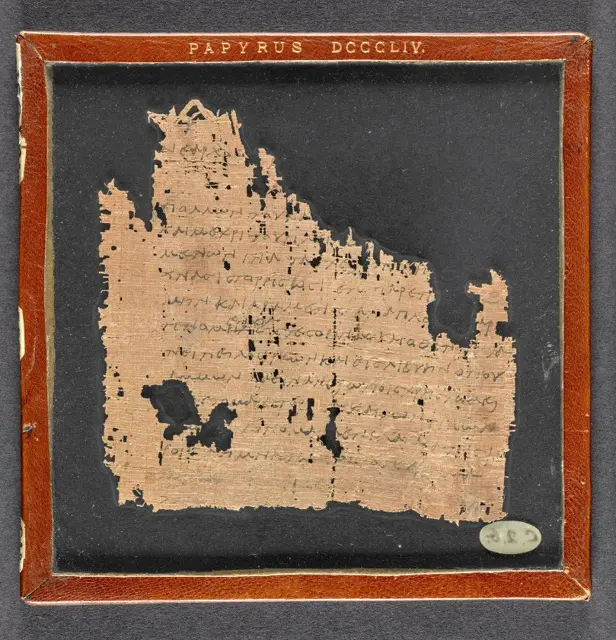
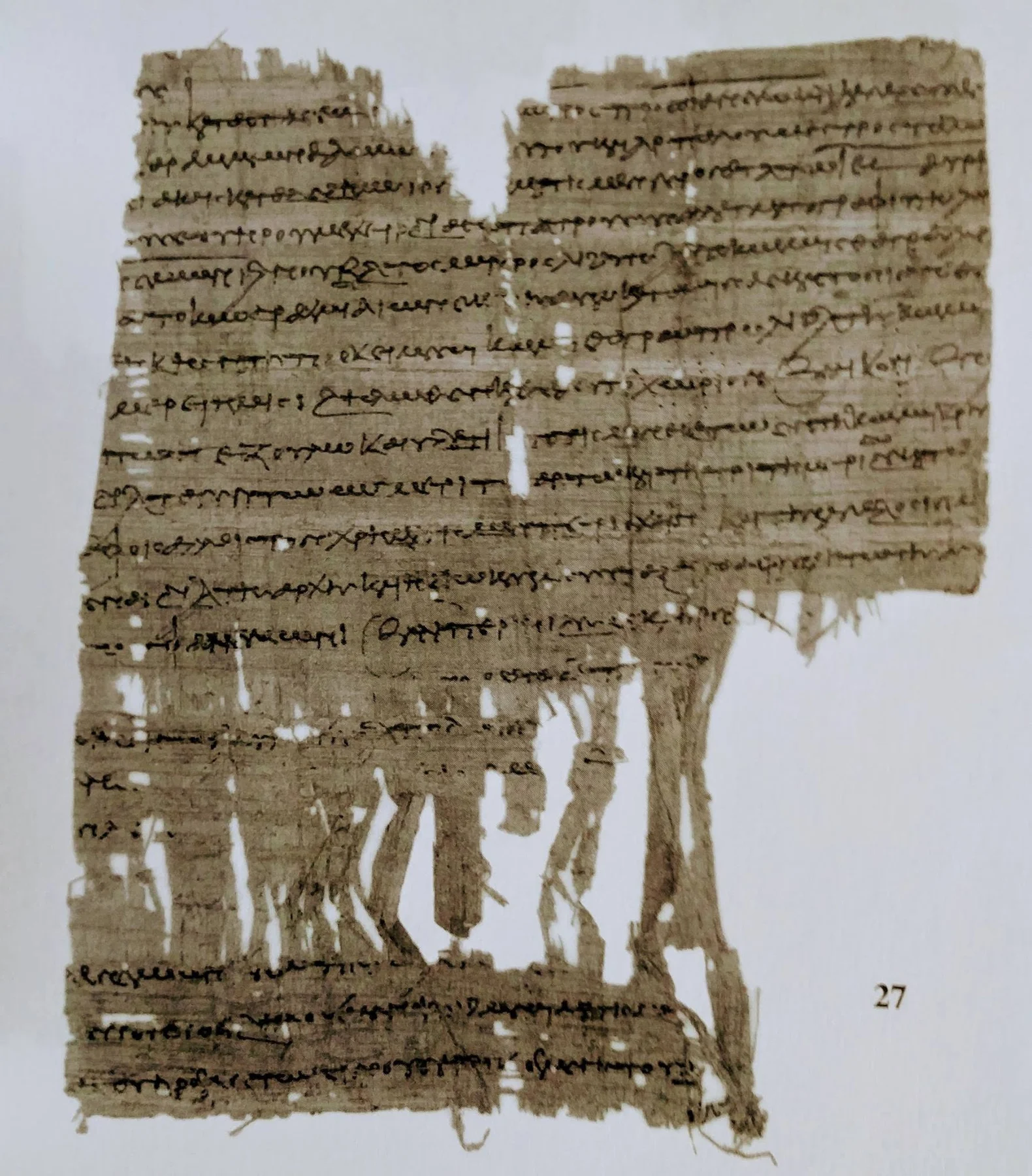
In the papyrus Graux 27, dating back to the year 15 of Septimius Severus (207 AD), month of Mecheir, coming from Siwa Oasis (as shown in the text where the name of the oasis in Roman times is used twice), at the lines 7 and 9, appears the name of a village of the oasis (κώμης Θαγρο̣υ̣) that someone, for reasons of assonance, proposed to identify with the village of Dakrūr but that is very dubious.
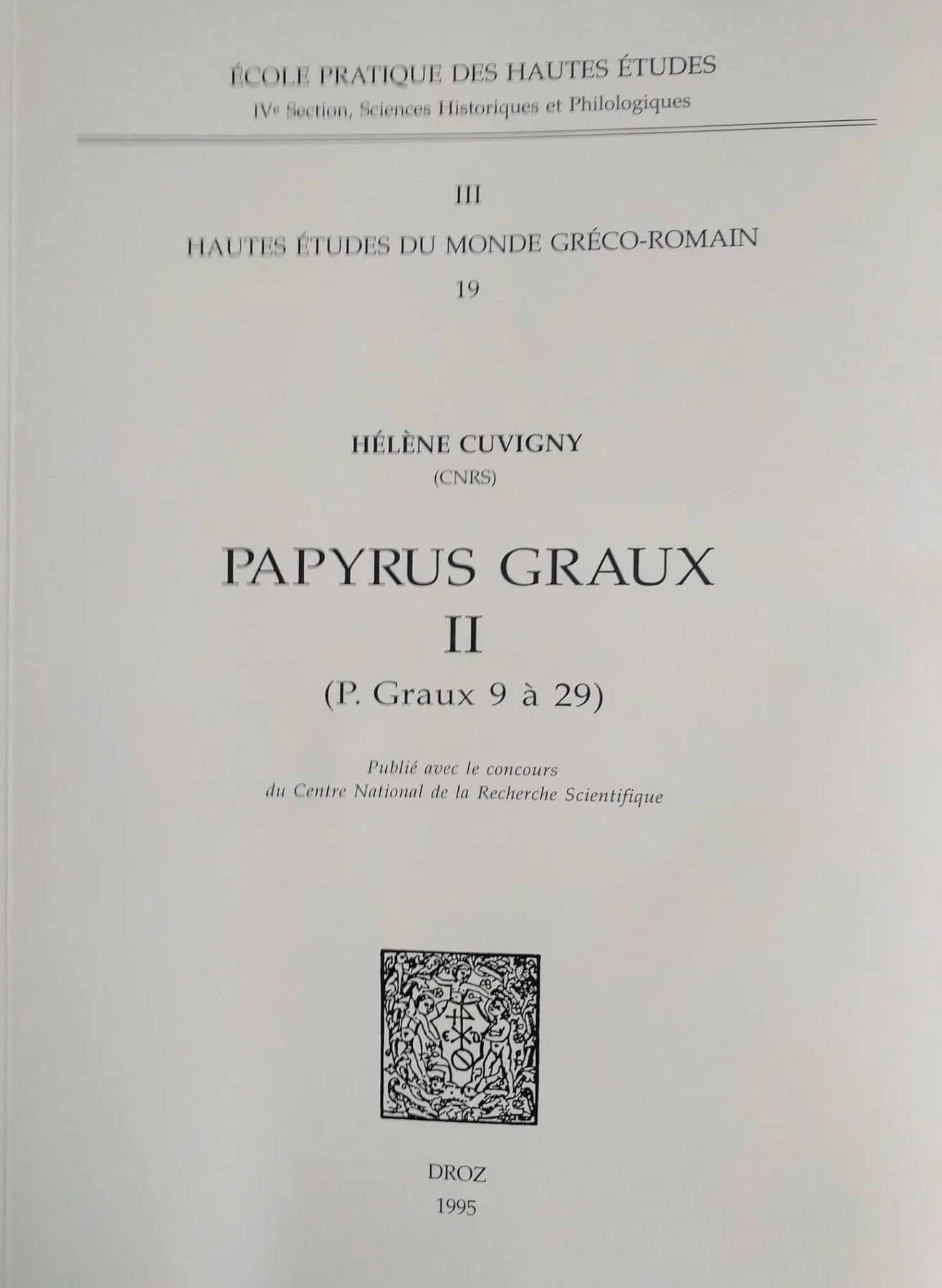
Text and image come from: Papyrus Graux II (P. Graux 9 à 29) by Hélène Cuvigny - 1995
Text: Lines 1-20
[ -ca.?- ]υ̣ς vac. ? [ -ca.?- ] vac. ? [ -ca.?- ]
[ -ca.?- προκειμέ(?)]νης καταστάσεως [Σ]α̣[ράμμ]ωνος πρὸς Σφανέμωνα ἀπὸ δὲ ὑ̣πομ̣[ -ca.?- ]
[ -ca.?- ] Σαράμμωνα Ἀμμων[ιανο]ῦ τοῦ καὶ Ἁρπάλου μητρὸς Ταμο̣[υν (?) -ca.?- ]
5[ -ca.?- Ἀμμω]νιακῆς κατὰ δὲ δημόσιον [χρ]ηματισμὸν γεγονότα τῷ ιε (ἔτει) Αὐρη[λίου -ca.?- ]
[ -ca.?- καὶ θε]οῦ Σεουήρου Μεχεὶρ διὰ Σωπάτρου συναλλαγματογράφου τῆς̣ αὐ̣[τῆς -ca.?- ]
[ -ca.?- Σφα]νέμωνι Ἀνουβᾶτος μητρὸς Λιβύης ἀπὸ κώμης Θαγρο̣υ̣ ἀρ[γυρίου -ca.?- ]
[ -ca.?- ]ας τόκων δραχμιαίων ἑκάστης μνᾶς κατὰ μῆνα ἕκαστον ισταθε[ -ca.?- ]
[ -ca.?- ἐφʼ ὑπο]θήκῃ ἐν τῇ προκειμένῃ κώμῃ Θαγρῳ πρὸς λίβα τῆς κώμη[ς -ca.?- ]
10[ -ca.?- ] μέρει ἡμίσι(*) δηλωθεν(*) καθ̣ʼ ἑ̣α̣υ̣τὸ χωριον(*) ἐλαικον(*) εν ̣[ -ca.?- ]
[ -ca.?- ]πωνεζουλῳ καὶ ὕδατι ἰς(*) ποτισμὸν ἐκ τῶν ἐν τῇ κώμῃ κρην[ῶν -ca.?- ]
[ -ca.?- ] διαταγέντων ὡς μέρι(*) τετάρτῳ καὶ τῇ τρίτῃ μέρι(*) \δω/δεκάτῳ ̣[ -ca.?- ]
[ -ca.?- ] ἐφʼ οἷς ἄλλοις τὸν χρηματισμὸν περιέχειν καὶ τὴν ἀπόδοσιν μ[ὴ -ca.?- ]
[ -ca.?- ]έναι διὰ τῆς ἀρχῆς καὶ ἠξιωκέναι συντάξαι γραφῆναι τῷ τῆς Ἀμμ[ωνιακῆς στρατηγῷ -ca.?- ]
15[ -ca.?- ] τῷ Σφανέμωνι ἐὰν περιῇ, ἰ(*) δὲ μή, κληρνόμοις(*) Traces [ -ca.?- ]
[ -ca.?- ] ̣ ̣ ̣μ̣ατα ̣ ̣ ̣ ̣[ -ca.?- ]
[ -ca.?- π]οιήσηται αὐτῷ τὴν ἀπόδοσιν ̣[ -ca.?- ]
Traces 2 lines
20[ -ca.?- Σ]φανέμων ̣ν ̣μπ ̣ ̣ ̣α ̣ ̣ ̣ ̣[ -ca.?- ]
[ -ca.?- ]μένοντο οἱ δηλούμενοι ὑπομνηματισμοὶ [ -ca.?- ]
[ -ca.?- ] Σεουήρου Ἀντωνείνου Παρθικοῦ μεγίστου Βρε[ταννικοῦ -ca.?- ]
Line-by-line translation
Lines 1–2 (fragmentary)
“[…] …”
The opening lines are very fragmentary: they probably contained the heading of the petition or the introductory formula naming the sender and recipient.
Line 3
“[…of the] existing situation of Sarammōn against Sphanemōn, and according to the memorandum/official record […]”
This introduces the katastasis, namely the dossier of the dispute or proceedings already under way: the creditor is Sarammōn and the debtor is Sphanemōn.
Line 4
“[…] Sarammōn, son of Ammōnianos, also known as Harpalos, whose mother was Tamoun(?)”
Full identification of the creditor: Sarammōn, son of Ammōnianos/Harpalos, whose mother was Tamoun. This is precisely the genealogical pair already known from P. Oxy. 2975, but reversed here: in that document, the father was Ammōnianos, son of Sarammōn. The double name, including the Greek-Macedonian name Harpalos, indicates integration into the local Hellenistic culture.
Lines 5–6
“[…of the Ammo]niakē, in accordance with the public deed drawn up in the fifteenth year of Aurelian […] and of the deified Severus, in the month of Mecheir, through Sopatros, agoranomos of the same [Ammoniakē …]”
The original loan contract was publicly executed in year 15 of the relevant era, corresponding to AD 207, as specified in the HGV: 26 January–24 February 207. It was drawn up through the synallagmatographos (notary-agoranomos) Sopatros, who was based in the same Ammoniakē/Siwa.
Line 7
“[…to Spha]nemōn, son of Anoubas, whose mother was Libyē, from the village of Thagrou, of silver […]”
The debtor is identified as Sphanemōn, son of Anoubas, whose mother was Libyē, from the village of Thagrou. The name Anoubas is unmistakably Egyptian in origin, while the matronymic Libyē evokes the Berber-Libyan component of the Siwan population.
Line 8
“[…] at interest of one drachma for each mina per month, stipulated […]”
The interest rate on the loan is specified: one drachma per mina per month, equivalent to 12% annually, a standard rate in the papyrological documentation of Roman Egypt.
Lines 9–12
“[…as] security (a mortgage), in the aforementioned village of Thagrou, west of the village, … for half of the declared share, a separate olive-growing property/olive grove, … with water for irrigation from the village springs/wells …”
The mortgage security is an olive grove at Thagrou, on the western side of the village, with irrigation-water rights from the local wells—a valuable detail concerning Siwan viticulture/olive cultivation during the Severan period.
Lines 12–14
“[…] with all the other conditions contained in the contractual deed, and [since] repayment has not [taken place …], a request was made for an order to be issued that a letter be written to the strategos of the Ammo[niakē …]”
Having failed to obtain repayment, the creditor Sarammōn appeals to the authorities: he asks for the intervention of the strategos of the Ammoniakē. This demonstrates the existence of a local provincial administration with its own magistracy at Siwa.
Line 15
“[…] to Sphanemōn, if he is still alive; otherwise, to his heirs.”
This is a standard clause in petitions for debt recovery: the order is to be served on the debtor or, in the event of his death, on his heirs, revealing the formal nature of the procedure.
Lines 17–20
“[…] should make repayment to him […] Sphanemōn …”
These partially fragmentary lines probably contained the concluding formula of the petition and the strategos’s response.
Lines 21–22
“[…] the aforementioned memoranda/official records […] of Severus Antoninus (Caracalla), Parthicus Maximus, Bri[tannicus …]”
The dating of the document to AD 212–217 is inferred specifically from the use of the title Britannicus attributed to Caracalla, awarded after AD 213
 Agrandir
 Agrandir